
When transporting heavy or bulky cargo, ensuring that every load remains secure throughout the journey is paramount. One of the most reliable tools for this task is the heavy-duty ratchet strap. These robust straps are specifically designed to withstand high tension and weight, keeping your cargo tightly fastened and protected from unexpected shifts or slips. Whether you’re hauling industrial equipment, construction materials, or oversized goods, Heavy-Duty Ratchet Straps play an indispensable role in enhancing road safety, minimizing damage, and ensuring regulatory compliance. In this blog, we’ll delve into why these straps are an essential investment for anyone involved in cargo transportation, highlighting their benefits, features, and tips for effective use.
Understanding Heavy-Duty Ratchet Straps
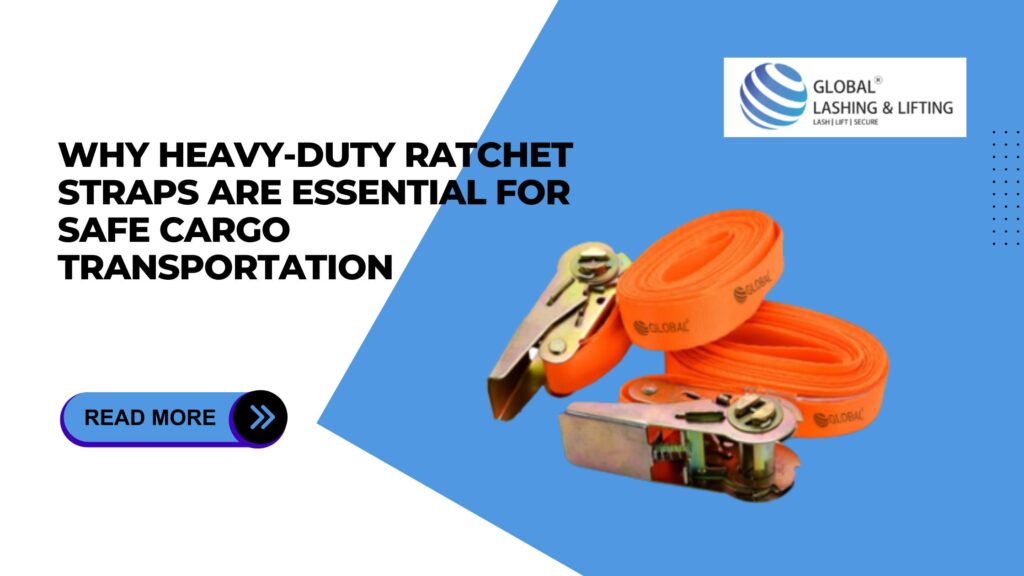
Heavy-duty ratchet straps, also known as tie-down straps or cargo straps, are strong, flexible, and adjustable straps designed to secure cargo in place. Made from durable, high-strength materials like polyester or nylon, they provide enough tensile strength to withstand high pressures, making them ideal for heavy loads. Ratchet straps typically consist of three main components: the strap itself, a ratchet mechanism, and hooks or other connectors.
The ratchet mechanism is what sets these straps apart from other securing devices. By engaging and releasing the ratchet lever, users can adjust the strap’s tension, ensuring a snug fit around the cargo. The adjustability and strength of ratchet straps make them suitable for various applications, from securing boxes and pallets to larger equipment and machinery.
Key Features of Ratchet Lashing Tie Down Straps
Several features make Heavy-Duty Ratchet Straps indispensable for cargo transportation:
- High Tensile Strength: Heavy-duty ratchet straps can withstand extreme loads, with some offering breaking strengths of over 10,000 pounds.
- Adjustability: The ratchet mechanism allows precise control over the strap tension, preventing over-tightening that can damage cargo and loosening that risks load shifting.
- Durable Materials: Most ratchet straps are crafted from durable materials, such as polyester, which is resistant to UV rays, water, and most chemicals, ensuring they hold up in harsh conditions.
- Variety of Hook Types: Ratchet straps come with different hook styles, such as flat hooks, J-hooks, and S-hooks, enabling secure attachment to various anchor points.
Importance of Load Security in Cargo Transportation
Cargo transportation, whether by truck, ship, or other modes, involves movement that can put stress on unsecured or improperly secured loads. When cargo shifts during transit, it can cause the following issues:
- Damage to Goods: Shifting cargo can impact the structural integrity of the items being transported, leading to damage or breakage.
- Increased Accident Risk: Loose cargo can destabilize the vehicle, especially during turns or sudden braking. This loss of control can result in accidents, putting both the driver and other road users at risk.
- Compliance and Liability: Most jurisdictions have strict regulations about load security. Failure to comply can lead to fines, legal consequences, and increased liability in case of an accident.
By using heavy-duty ratchet straps, you reduce these risks, ensuring that cargo remains securely in place throughout the journey.
Why Choose Heavy-Duty Ratchet Straps Belt Over Other Restraint Systems?
While there are several options available for securing cargo, such as ropes, chains, and bungee cords, heavy-duty ratchet straps stand out for various reasons:
- Superior Strength: Ropes and bungee cords do not offer the same level of tensile strength and may snap under heavy loads. Ratchet straps are specifically designed to handle higher tensions.
- Reduced Movement: Unlike other restraining systems that allow more flexibility, ratchet straps, once tightened, prevent movement more effectively, maintaining a secure hold.
- Easy Adjustability: Unlike chains, which require more complex adjustments, ratchet straps can be quickly tightened or loosened using the ratchet mechanism, making them more user-friendly.
- Versatility: Ratchet straps can be used across different cargo types, shapes, and sizes, offering more versatility than rigid securing systems.
Key Applications of Heavy-Duty Cargo Ratchet Lashing Belt
Ratchet straps are widely used across several industries and applications, including:
- Commercial Trucking: Truck drivers regularly use ratchet straps to secure various loads, from small packages to large machinery.
- Construction Equipment Transportation: Construction vehicles and equipment, often heavy and awkwardly shaped, require the strength and adaptability of ratchet straps.
- Automotive Hauling: Ratchet straps are often used to secure vehicles during transit, especially in tow trucks and vehicle carriers.
- Marine and Air Cargo: Ratchet straps are also employed in marine and air freight applications, where precise securing of goods is essential for safe transit.
Choosing the Right Ratchet Strap for the Job
Selecting the appropriate ratchet strap involves considering several factors:
- Weight Capacity: Ensure that the strap’s load rating meets or exceeds the weight of the cargo. Heavy-duty straps typically list both their Working Load Limit (WLL) and Break Strength.
- Length of the Strap: Choose a length that wraps securely around the cargo without leaving unnecessary slack, as any looseness can compromise safety.
- Hook Type: Different cargo setups may require different hook types, so select the one compatible with your vehicle’s anchor points.
- Material: Polyester is commonly used for its durability and low stretch, but if you require elasticity, nylon may be an option.
- Width of Strap: Wider straps offer more surface area for securing cargo, which can help distribute the load evenly.
Maintenance and Safety Tips for Heavy-Duty Ratchet Straps
Regular maintenance is essential to prolong the life of your ratchet straps and ensure they remain safe and effective.
- Inspect for Wear and Tear: Before and after each use, inspect your straps for fraying, cuts, or damaged stitching. Replace any straps that display signs of damage or wear
- Store Properly: Store straps in a cool, dry place, out of direct sunlight. Prolonged exposure to UV rays can gradually weaken the material.
- Avoid Overloading: Ensure that the load weight does not exceed the strap’s WLL. Overloading can compromise the strap’s effectiveness and lead to breakage.
- Clean After Use: If straps become dirty, clean them with mild soap and water. Avoid harsh chemicals that could weaken the strap material.
Conclusion
In the world of cargo transportation, safety and security should never be compromised. Heavy-Duty Ratchet Straps stand out as a vital component, offering unmatched reliability, strength, and ease of use for securing loads of all shapes and sizes. By investing in high-quality ratchet straps, businesses and drivers alike can prevent costly damages, reduce liability, and ensure compliance with safety standards. Ultimately, these straps not only safeguard the cargo but also contribute to safer roads and a more efficient supply chain. As you prepare for your next shipment, remember that the right equipment, like heavy-duty ratchet straps, makes all the difference in transporting goods securely and with peace of mind.
Watch our latest video on the Global Lashing and Lifting Solutions LLP YouTube channel.